
If you own a home in Southern California, chances are you’ve heard a lot about ADUs — Accessory Dwelling Units. Whether your neighbour just built one in their backyard, your real estate agent mentioned it would increase your property value, or you’ve been thinking about generating rental income, ADUs have become one of the hottest topics in California home ownership. And for good reason.
If you’re in San Diego County, our ADU builders in San Diego handle design, permits and construction under one roof.
But before you break ground, there’s quite a bit to understand about the process — from what an ADU actually is, to permits, costs, design decisions, and how to find the right contractor. This guide is designed to give you a clear, honest picture of what’s involved so you can make the right decisions for your property.
What Exactly Is an ADU?
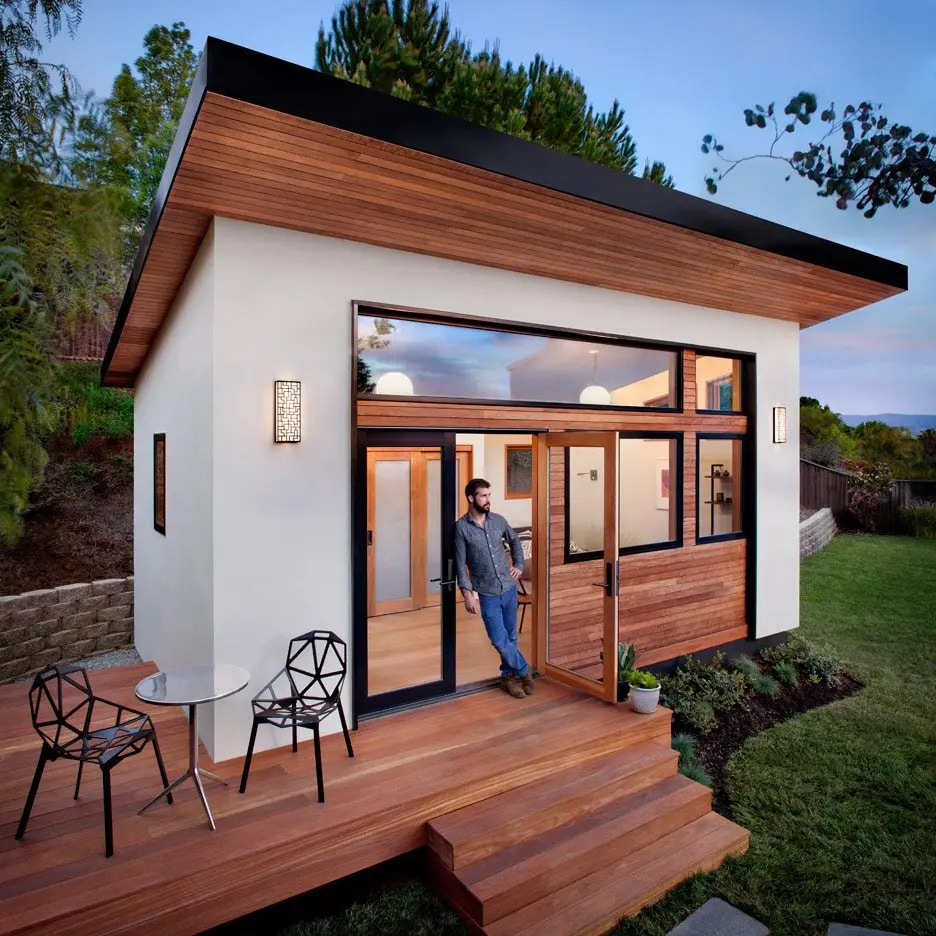
An Accessory Dwelling Unit (ADU) is a secondary residential unit on your property that has its own kitchen, bathroom, and living space. It can be a detached structure (like a backyard cottage or casita), an attached addition to your main home, or a conversion of an existing space like a garage, basement, or bonus room.
In California, ADU legislation has been dramatically updated in recent years to make it easier and more affordable for homeowners to build them. The state has seen a surge in ADU construction as it tackles its chronic housing shortage, and local jurisdictions have largely been required to streamline their approval processes. That’s genuinely good news for homeowners who want to add living space or generate income.
Why Are So Many Southern California Homeowners Building ADUs?
The reasons vary depending on who you ask, but a few themes come up again and again. Rental income is the big one. With Southern California rents continuing to climb, a well-placed ADU can generate $1,500 to $3,000 or more per month depending on size, location, and finishes — creating a reliable income stream that more than offsets the cost of construction over time.
Multi-generational living is another major driver. Having an aging parent or adult child nearby but with their own private space is a lifestyle solution that appeals to many families. And for homeowners looking to increase their property value, a properly built ADU is one of the most impactful investments you can make in a Southern California real estate market where space is at a premium.
Understanding Permits and Regulations
This is where things get a little more nuanced, and it’s where having an experienced contractor really pays off. While California state law has made it easier to permit ADUs than in the past, local city and county regulations still vary. Requirements around setbacks (how far the structure must be from property lines), maximum square footage, height limits, parking, utilities, and owner-occupancy rules differ depending on your jurisdiction.
The good news is that many cities — particularly in the greater Los Angeles area — have pre-approved ADU plans that can dramatically speed up the permitting process. An experienced design-build firm knows how to navigate these rules efficiently, avoiding costly delays and surprises.
NJ Design & Build handles the entire permitting process on your behalf. Our ADU construction service includes architectural drawings, permit applications, and full project management from start to finish.
How Much Does an ADU Cost to Build in Southern California?
This is usually the first question homeowners ask, and the honest answer is: it depends. A garage conversion — the most affordable route — can range from $80,000 to $150,000 depending on the scope of work. A detached ADU built from scratch typically runs $150,000 to $300,000 or more, based on size, finishes, and site conditions.
What you get for that investment, though, is substantial. A quality ADU built to code, with good materials and thoughtful design, will add significant value to your property and could pay for itself within a decade through rental income alone.
The key is not to cut corners on design and materials. A poorly built ADU may save money upfront but creates headaches — and costs — down the road.
Choosing the Right ADU Contractor
Not every contractor is equipped to handle the complexities of ADU construction. You want a team with direct experience in your local jurisdiction, a solid portfolio of completed ADU projects, and the ability to manage the full process from design through final inspection.
The National Association of Home Builders (NAHB) recommends always verifying a contractor’s license, insurance, and references before signing a contract — and checking that they pull proper permits for all work.
Learn more about choosing a qualified contractor at the NAHB website
Ready to explore what’s possible on your property? Request a free estimate from NJ Design & Build and let’s start turning your vision into reality.


